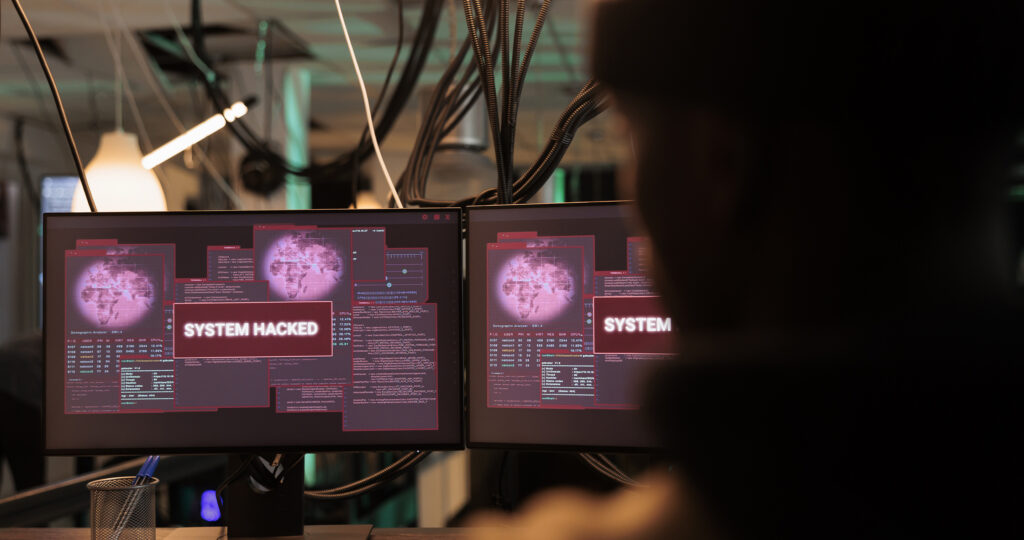
Every year, right around December, IT starts to unravel.
Half the team is on vacation, the other half is covering double duty, and the systems everyone’s been meaning to fix since Q1 suddenly decide to fail all at once.
It’s not bad luck or random failure—it’s predictable holiday related weakened IT resilience. When schedules tighten and attention shifts to year-end closeouts, neglected maintenance finally catches up. What feels like a holiday outage is usually a year’s worth of ignored warnings coming due.
When workloads are high, it’s easy to dismiss an alert, postpone a patch, or close a ticket with a monitor and revisit later. But those deferred issues don’t disappear—they just stack up behind the scenes until the wrong combination of log growth, expired certificates, and skipped reboots brings everything to a crawl.
By mid-December, one small oversight turns into a domino effect. File shares fill up, backups fail silently, someone discovers a key SSL cert expired last week, and your change freeze suddenly looks like a full-on incident response sprint.
This is how most holiday meltdowns start—not with a major hardware failure, but with fatigue and shortcuts. The slowdown exposes what’s been ignored.
If you want a calm December, you have to earn it in November.
Start with the basics:
• Audit your alerts and fix the causes, not just the notifications.
• Verify patch compliance—don’t assume applied successfully means it actually did.
• Test your backups by restoring data, not just reviewing dashboards.
• Check SSL certificates and renewal schedules before they expire mid-holiday.
• Clean up file systems and storage to avoid end-of-year overflow issues.
At OpsAssist, we call this preventive calm—the foundation of holiday readiness in IT. It may not be glamorous, but it’s what keeps smart small and mid-sized companies running when everyone else is firefighting. Our approach focuses on proactive automation and validation, while eliminating repeat issues before they hit production.
If your IT team is already feeling the pre-holiday pressure, now’s the time to stabilize systems, automate high-volume repeat work, and set up safeguards that keep things quiet.
Because the end of the year shouldn’t feel like a countdown to the next outage. It should be a wrap-up of what went right.